



When selling a home in New Jersey, understanding seller disclosure requirements is one of the most important steps in preparing for a smooth and successful transaction.
New Jersey seller disclosure requirements are designed to protect both buyers and sellers by ensuring transparency about a property’s condition. Whether you’re actively preparing to list your home or simply researching the process, knowing what must be disclosed — and when — can prevent delays, disputes, and unnecessary stress later on.
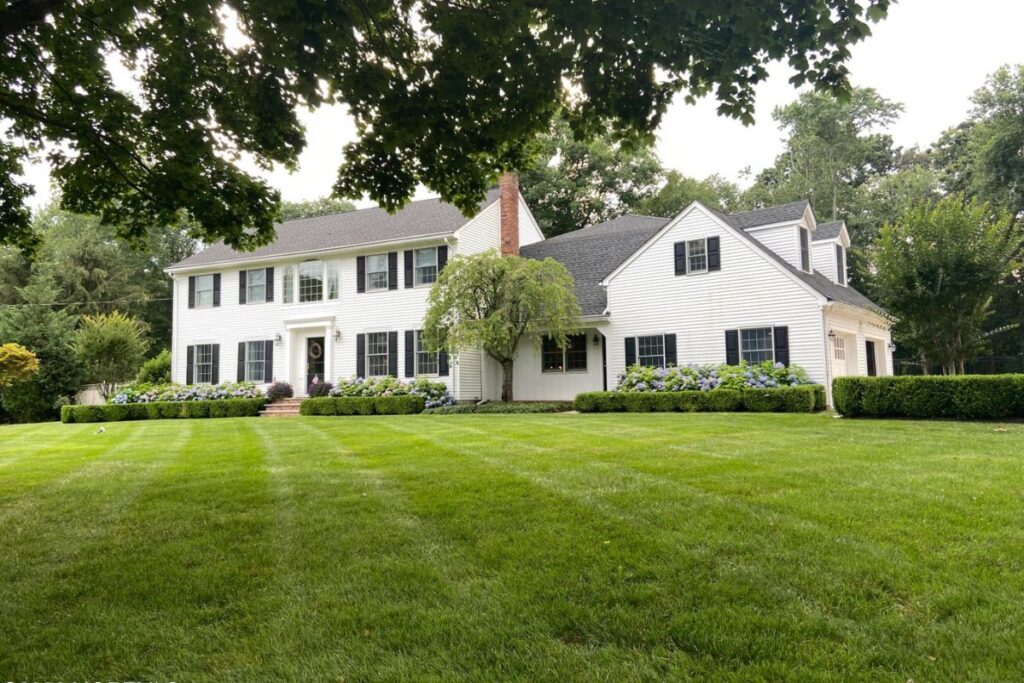

Seller Disclosure Requirements in NJ — Quick Summary
-
Sellers must disclose known material defects
-
Disclosures are based on what the seller actually knows
-
The NJ property disclosure form should be completed before a binding contract
-
Failure to disclose can lead to legal consequences
-
Proper disclosures protect both buyers and sellers
What Are Seller Disclosure Requirements in New Jersey?
Seller disclosure requirements refer to a home seller’s legal obligation to share known material facts about their property with potential buyers.
In New Jersey, sellers are typically asked to complete a property disclosure form that outlines known issues that could affect the home’s value, safety, or condition.
It’s important to understand:
Seller disclosures are not warranties.
They are a reflection of the seller’s honest knowledge of the home at the time of sale.
What Must Sellers Disclose in New Jersey?
In general, New Jersey home sellers must disclose known material defects that could impact:
-
Structural integrity
-
Mechanical systems
-
Environmental health and safety
-
Water intrusion or drainage
-
Financial obligations tied to the property
A material defect is any issue that could influence a buyer’s decision to purchase the home.
What Sellers Are Typically Required to Disclose


While every property is unique, NJ real estate disclosures commonly include:
-
Structural or foundation concerns
-
Roof condition or history of leaks
-
Water damage, flooding, or drainage problems
-
Electrical, plumbing, heating, or cooling system issues
-
Past repairs, renovations, or insurance claims
-
Environmental hazards such as mold, radon, or lead-based paint
-
Termite damage or pest infestations
-
HOA rules, fees, or pending assessments
-
Systems or appliances that are not functioning properly
If you’re unsure whether something should be disclosed, it is generally better to disclose it. Transparency helps protect sellers and builds trust with buyers.
Why Seller Disclosures Protect You
Seller disclosures are not just about compliance — they are about risk reduction and smoother transactions.
Protection for Home Sellers
By disclosing known issues upfront, sellers reduce the likelihood of disputes after closing. When buyers have full information before submitting an offer, there is less risk of:
-
Contract cancellations
-
Renegotiation demands
-
Legal challenges after closing
Disclosures also help during the contract period. When buyers and their agents review the disclosure before submitting an offer, their offer is based on the information provided. That often means fewer repair or credit requests later if the same issue appears in the home inspection report.
Transparency for Buyers
Buyers appreciate clarity — especially when purchasing older homes.
NJ property disclosure forms help buyers:
-
Understand the home’s history
-
Set realistic expectations
-
Prepare for inspections
-
Avoid surprises
This transparency often leads to smoother negotiations and more confident buyers.
When Are Seller Disclosures Provided in New Jersey?
In most New Jersey real estate transactions, seller disclosures must be provided before a buyer enters into a binding contract. The contract must be signed by all parties in accordance with NJ law.
Some sellers choose to provide disclosures even earlier in the listing process to avoid delays or renegotiations once an offer is made.
Because disclosure timing and requirements can vary depending on the situation, working with a knowledgeable New Jersey real estate professional helps ensure compliance with current state guidelines.
What Happens If a Seller Fails to Disclose Required Information?

Failing to meet New Jersey seller disclosure requirements can have serious consequences.
If a buyer later discovers an undisclosed material defect, they may have the right to:
-
Cancel the contract
-
Request repairs
-
Request financial compensation
-
Pursue legal action
Even unintentional omissions can create complications. That’s why accuracy, honesty, and thoroughness are essential when completing disclosure forms.
How a New Jersey Real Estate Agent Helps With Disclosures
Navigating NJ real estate disclosures can feel overwhelming — especially if you’ve owned your home for many years.
Resources Real Estate helps sellers by:
-
Explaining New Jersey seller disclosure requirements
-
Providing the correct NJ property disclosure forms
-
Reviewing disclosures for completeness
-
Helping sellers avoid common mistakes
-
Guiding sellers through negotiations if questions arise
Having experienced representation ensures disclosures are handled properly and gives sellers confidence throughout the transaction.
💬 MonmoutGPT Insight


At Resources Real Estate, we created MonmouthGPT to help sellers navigate real estate questions specific to Monmouth County and New Jersey.
One of the most common questions MonmouthGPT receives is:
“Do I have to disclose a problem if it was already repaired?”
The answer is typically yes. Even if an issue has been repaired, sellers are generally required to disclose past material problems if they could be relevant to a buyer.
If you’re unsure what to disclose when selling your Monmouth County home, our team — and MonmouthGPT — are here to guide you.
Frequently Asked Questions About NJ Seller Disclosure Requirements
Do I have to disclose problems if they were already repaired?
Yes. Even repaired issues should typically be disclosed if they were material to the home’s condition.
What if I’m not sure whether something is a defect?
Seller disclosures are based on what you know. If you are unsure, it is usually best to disclose the concern and explain the situation.
Are seller disclosures required in New Jersey?
Yes. New Jersey requires sellers to disclose known material defects that could affect the property’s value or condition.
Can a buyer back out because of disclosures?
In some cases, buyers may renegotiate or reconsider their purchase if disclosures reveal unexpected information.
Does a home inspection replace seller disclosures?
No. A home inspection is an independent evaluation of the property’s condition. Seller disclosures reflect the seller’s knowledge. Both are important parts of the transaction.
Final Thoughts on New Jersey Seller Disclosure Requirements
Seller disclosure requirements play a critical role in a successful home sale.
When sellers are transparent about known conditions:
-
Buyers feel informed
-
Transactions move more smoothly
-
Legal risks are reduced
-
Negotiations are more predictable
This guide provides general information about New Jersey seller disclosure requirements. Because situations vary, working with a licensed real estate professional is always recommended.
Thinking About Selling Your Home in New Jersey?
Selling a home in New Jersey doesn’t have to feel overwhelming — especially when you understand your disclosure obligations from the start.
Let’s make sure everything is handled properly before your home hits the market.
👉 Schedule your seller consultation


